

The digital world moves fast, and your website is often the first impression potential customers have of your business. As we step into 2026, web design is evolving rapidly, focusing on both aesthetics and user experience. If you’re planning to update your website this year, here are the top trends you can’t afford to miss.
1. AI-Powered Personalization
Websites are becoming smarter with AI-driven personalization. Instead of a “one-size-fits-all” design, websites in 2026 adapt to users in real time, showing relevant content, products, and recommendations based on behavior.
2. Minimalist & Clean Layouts
Less is more this year. Modern websites are focusing on clean, clutter-free designs with plenty of white space, making it easier for visitors to focus on what matters most.
3. Interactive 3D & Motion Graphics
Engagement is key. Subtle animations, scroll effects, and interactive 3D visuals are taking center stage, creating immersive user experiences without slowing down websites.
4. Mobile-First & Speed Optimization
With most users browsing on mobile, mobile-first design is no longer optional—it’s essential. Fast-loading, responsive sites will dominate in 2026, as both users and search engines demand speed.
5. Accessibility & Inclusive Design
A big focus this year is on inclusivity. Websites must be accessible to everyone, including people with disabilities. Expect to see more features like voice navigation, better color contrasts, and simple text structures.
Design Systems & Scalable Layouts
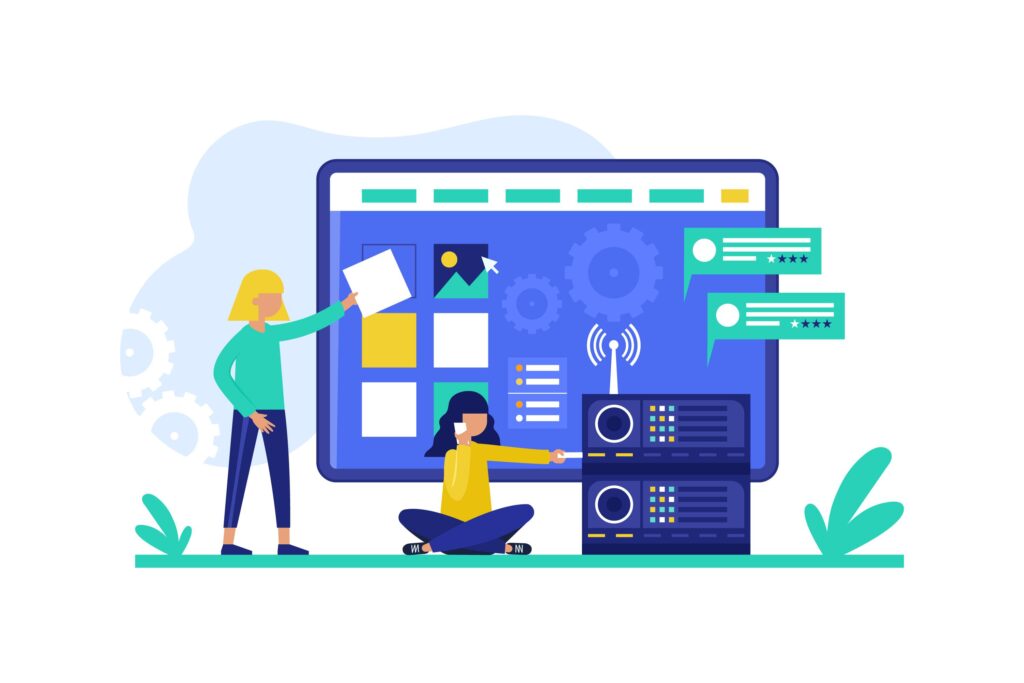
In 2026, websites are no longer designed page by page. Designers now use design systems—reusable components, consistent spacing rules, and flexible layouts. This approach ensures visual consistency across the entire site and makes future updates faster and easier. Whether a business adds new pages, services, or features, the design stays clean and organized without breaking the structure.
Content-First Design Approach
Modern web design starts with content, not decoration. Designers are focusing on clear messaging, readable typography, and well-structured sections that guide users naturally through the page. Instead of overwhelming visitors with visuals, content-first layouts help users understand the brand, services, and value within seconds. This also improves accessibility and search performance.
Smarter Navigation & User Flow
Navigation design in 2026 is more intuitive and goal-driven. Websites are reducing complex menus and replacing them with smarter navigation paths. Clear page hierarchy, sticky navigation bars, and logical user flows help visitors find information quickly, reducing bounce rates and frustration.
Consistent Micro-Interactions
Small design details matter more than ever. Hover effects, button feedback, loading animations, and scroll cues create a polished experience and make websites feel responsive and professional—without distracting users or slowing performance.
Final Thoughts
In 2026, web design isn’t just about looking good—it’s about being functional, fast, and user-friendly. By embracing these trends, businesses can create websites that stand out, build trust, and convert visitors into loyal customers.




7 Responses
Your article helped me a lot, is there any more related content? Thanks!
Your article helped me a lot, is there any more related content? Thanks!
Thank you for your sharing. I am worried that I lack creative ideas. It is your article that makes me full of hope. Thank you. But, I have a question, can you help me? https://www.binance.info/en-NG/register?ref=YY80CKRN
Thank you for your sharing. I am worried that I lack creative ideas. It is your article that makes me full of hope. Thank you. But, I have a question, can you help me?
I don’t think the title of your article matches the content lol. Just kidding, mainly because I had some doubts after reading the article.
Can you be more specific about the content of your article? After reading it, I still have some doubts. Hope you can help me. https://www.binance.info/vi/register?ref=MFN0EVO1
Can you be more specific about the content of your article? After reading it, I still have some doubts. Hope you can help me.